
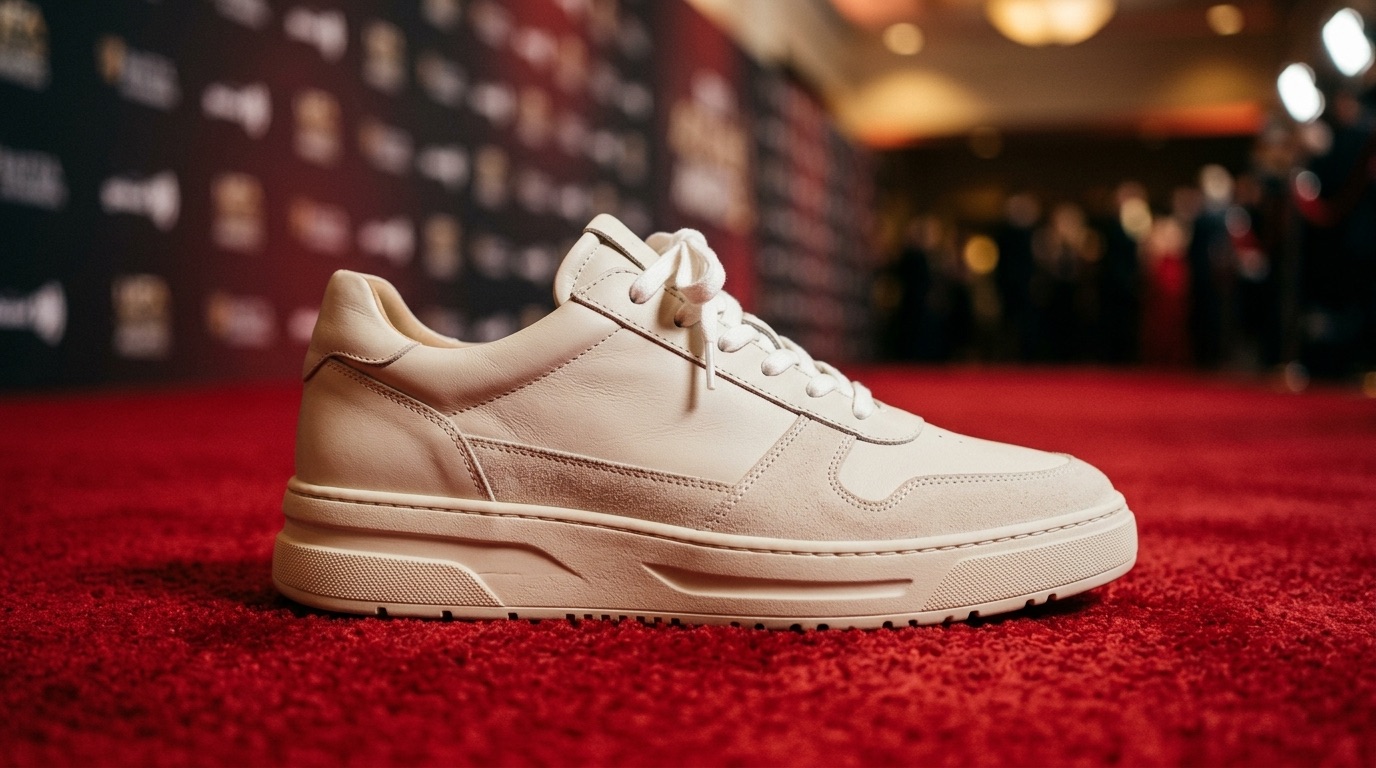
Last year’s ESPY red carpet was a study in metallic footwear — Suni Lee in silver, Gabby Thomas in white-hot heels, Alison Brie in bronze. Athletes dress for the ESPYs with the same intentionality they bring to competition, and the sneaker has officially graduated from court to carpet. But the scuffs and creases that come with a night of step-and-repeats, handshakes, and after-parties do not stay on the red carpet. They come home.
The ESPYs are where athletic performance becomes cultural currency. The shoes athletes wear to the ceremony are chosen as deliberately as any runway look — often rarer and more considered than the sneakers they wear to compete. The ESPYs red carpet has become, in the last decade, one of the more reliable indicators of where sneaker culture is going and what the most coveted pairs of the season look like in person.
The Gap Between Performance Sneaker and Cultural Object
A basketball sneaker designed to perform on court is engineered for traction, lateral support, and cushioning over the duration of a game. The materials — synthetic leather, mesh, rubber compounds — are chosen for function first. They respond well to moisture, flex without cracking, and wear predictably.
The same silhouette worn as a cultural object — on a red carpet, to a dinner, to an ESPY ceremony — encounters different stresses. The surfaces it meets are harder and more varied. The wearer’s movement patterns are different. The expectations about appearance are significantly higher.
This gap is where most sneaker wear damage occurs. A pair worn once on court, cleaned properly, and stored correctly will maintain its condition well. A pair worn in the same week to three different events — a basketball game, a press appearance, a formal ceremony — will show more wear in that week than in six months of proper court use.
What Happens to a Pair Between Events
Sneakers that are not cleaned between wears compound damage. Residue from one surface transfers to the next. Rubber sole material from a hardwood court carries into carpet fibres. Carpet fibres from an awards venue work into the tread. Perspiration from an evening wear event saturates the lining.
The proper care sequence between appearances is the same regardless of the surface: full clean, dry completely, store correctly. This sounds basic because it is. The gap between pairs that maintain their condition over years and pairs that look worn within months is almost always in the between-event care, not in the events themselves.
For limited-edition or unconventional materials — the kind that appear frequently at events like the ESPYs — the cleaning approach needs to match the material. A standard sneaker cleaner that works perfectly on standard mesh will lift dye from a fabric-wrapped upper or leave residue on a premium nappa leather panel. Identifying the material first is not optional.
What Fixano Would Do With a Post-Event Pair
A limited-edition pair that came back from a week of events — an award ceremony, a press run, a game — arrives for a condition assessment before any treatment begins. The rarity of the pair informs the level of caution applied: the more difficult or impossible the replacement, the more conservative the approach.
The work typically involves: upper clean with material-appropriate products, sole and midsole restoration, lace replacement if needed, and a protective coating applied before the pair goes back into storage or rotation. For pairs with UV-sensitive materials, the protective coat includes UV inhibitors.
A limited pair worn to something significant deserves proper care before going back in the box. The Fixano app connects you to sneaker restoration specialists across Los Angeles and Orange County — photograph the pair, describe what they’ve been through, and find out what a considered restoration looks like.