
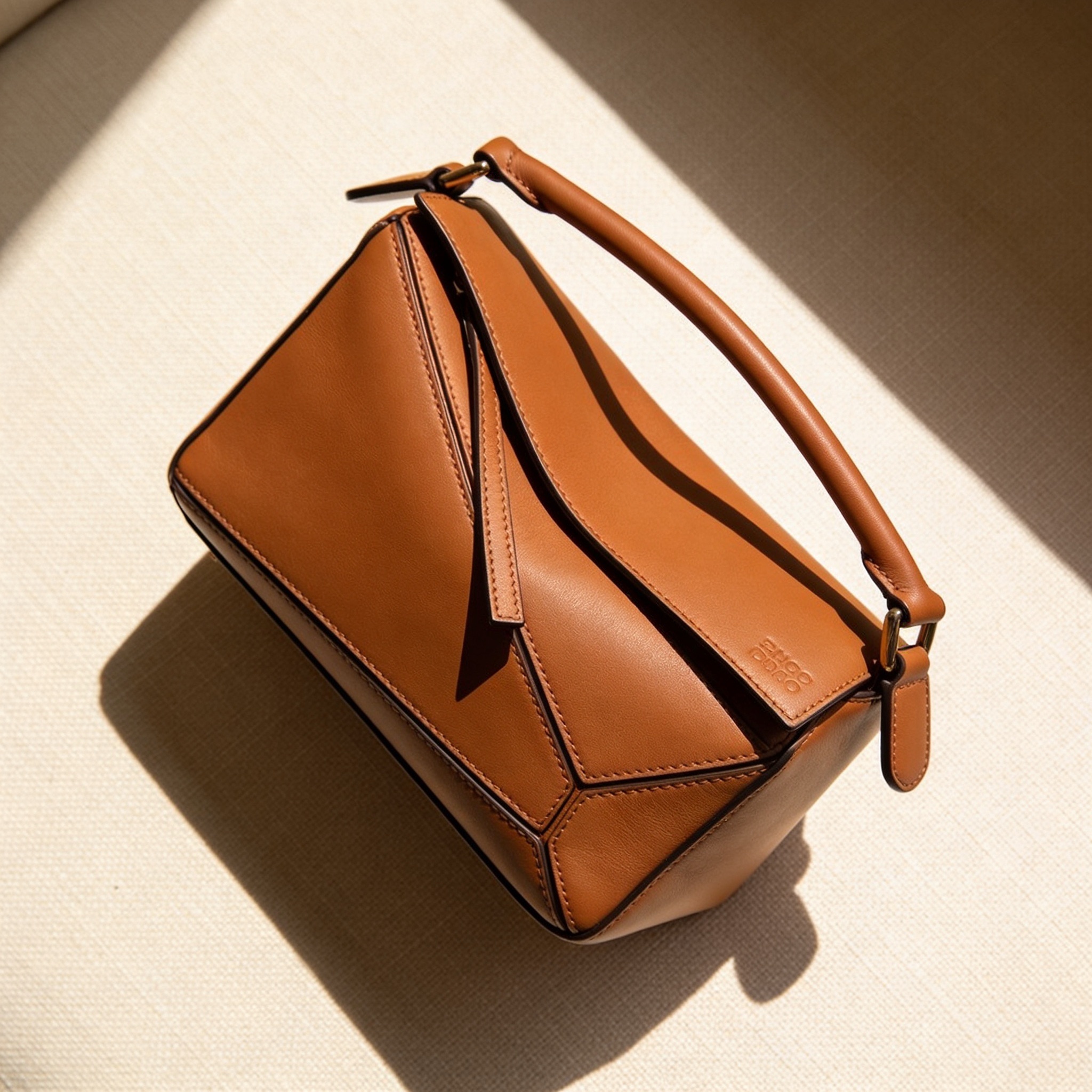
A leather handbag arrives in the workshop telling a story. The wear on the handles says something about how it was carried. The corners say something about where it was set down. The lining tells a different story from the exterior — usually a more optimistic one, since nobody sees the inside. Leather handbag restoration is the process of reading all of that, and deciding what to return, what to preserve, and what the bag can realistically become.
Over 500 items restored at Fixano across Los Angeles and Orange County, handbags are among the pieces that generate the most surprised reactions from owners. The expectation is often partial recovery. The result is often something much closer to the bag’s original condition than anyone thought possible.
What Handbag Restoration Can Address
The scope of leather handbag restoration is wider than most owners know. These are the elements that professional restoration can address:
Exterior leather:
- Deep cleaning — removing accumulated oils, product residue, and environmental grime from the surface
- Conditioning — restoring moisture and suppleness to dry or stiffening leather
- Colour restoration — re-dyeing faded areas or the entire surface to match the original colour
- Surface refinishing — applying new finish coats over prepared leather to address cloudiness, cracking, or transfer marks
Hardware:
- Cleaning tarnished or oxidised hardware (brass, gold-plated, palladium, ruthenium)
- Polishing hardware back to its original finish
- In some cases, hardware replacement where originals have failed
Handles and straps:
- Conditioning and restoring darkened or cracked handle leather
- Re-wrapping handles where the leather has split or separated
- Colour-correcting handles that have faded at different rates from the body
Lining:
- Cleaning the interior lining (fabric, alcantara, leather)
- In some cases, lining replacement where the material has deteriorated beyond cleaning
Structure:
- Corner reinforcement where the edges have worn through to the underlying material
- Reshaping or stuffing to return structure to bags that have deformed with use
How to Restore a Leather Handbag at Home — The Realistic Assessment
Home handbag restoration has real limits, and being honest about them saves bags from further damage.
What is achievable at home:
- Routine cleaning with a dedicated leather cleaner
- Conditioning with a quality leather conditioner
- Light surface buffing with petroleum jelly for patent leather areas
- Suede brush work on any nubuck or suede panels
What requires professional work:
- Colour restoration — colour-matching is the hard part, and an off-tone application is worse than fading
- Handle restoration — re-wrapping requires skill and materials not available in the average household
- Hardware cleaning that is not surface-level — oxidised hardware polished incorrectly can lose plating
- Lining work — particularly on bags where the lining is glued or stitched in a way that makes it inaccessible
- Exotic leather surfaces (python, crocodile, alligator, ostrich) — these have specific chemical sensitivities that consumer products can permanently damage
The pattern Fixano sees most frequently: a customer attempts colour restoration at home, applies a product that is close but not matching, and the bag arrives for professional work with an additional step required — removing the home application before the proper colour work can begin.
Leather Purse Restoration — What Changes With Smaller Pieces
Leather purse restoration follows the same principles as handbag work, with one important difference: small purses, clutches, and evening bags often have thinner leather, more delicate construction, and hardware in closer proximity to the leather surface.
For small structured clutches, the leather panels are often thinner and more porous than a structured tote. Colour restoration on thin leather requires more careful application — the leather absorbs more quickly and through more evenly, which can mean some areas take colour faster than others. Professional work on small purses therefore involves slower, more controlled application.
Hardware on small evening bags is often decorative rather than functional — frame clasps, art deco closures, vintage metal chains — and requires careful cleaning to avoid damaging adjacent leather panels.
Gucci Handbag Restoration — Brand-Specific Considerations
Gucci handbag restoration requires understanding the specific materials and finishes Gucci uses across different collections and periods.
GG Monogram canvas (the coated canvas with the interlocking G pattern) is not leather — it is a PVC-coated canvas that cleans differently from smooth leather but is durable and responds well to surface cleaning. The leather trim on these bags — handles, piping, corners — is usually calfskin and conditions and colours normally.
GG Marmont leather bags use Chevron-quilted leather that is softer and more sensitive than structured calfskin. The quilted areas require gentle handling to avoid flattening the embossed pattern during restoration.
Vintage Gucci — pre-Tom Ford, pre-Alessandro Michele — often uses thicker, more robust leather that has aged well and responds very positively to deep conditioning. These bags arrive at the workshop looking tired and leave looking appropriate for another decade of use.
Louis Vuitton Handbag Restoration
Louis Vuitton handbag restoration typically divides into two categories: the coated canvas (Monogram, Damier) and the leather pieces (Capucines, Twist, Dauphine).
For canvas LV bags, the Vachetta leather — the natural, undyed leather on handles, piping, and trim — is the primary restoration focus. Vachetta starts pale and honey-tones naturally over time. Watermarks, ink stains, and uneven darkening are common. Cleaning Vachetta is delicate — the leather is soft and absorbs colour easily. Professional cleaning returns the tone to an even, natural honey without the water rings that home attempts often leave.
For leather LV pieces, standard leather restoration principles apply — conditioning, colour work, surface refinishing as needed.
What Fixano Restores
The Fixano leather bag restoration service covers the full range of work above — cleaning, conditioning, colour restoration, handle work, hardware, and lining. The process starts with an in-app assessment: photograph the bag from all angles, describe the damage and what you are hoping to recover, and the team provides a clear scope of work and timeline before anything begins.
Most cleaning and conditioning work returns in 2–3 days. Full restoration work — colour, handles, surface refinishing — typically takes 7 days. The how to clean a leather bag guide covers at-home cleaning in more detail if the bag needs maintenance rather than restoration.
If the bag has more than routine cleaning needs, the Fixano app connects you with restoration specialists across Los Angeles and Orange County. Photograph every angle — including the interior and the hardware — and describe what you are hoping to recover. The assessment is free and honest about what’s achievable.